WomanWoRX: Solid science and evidence -based collaborative care
Physical Therapy

Chiropractic Care
Exercise Training
What makes WomanWoRX so special? We start with scientific proof.
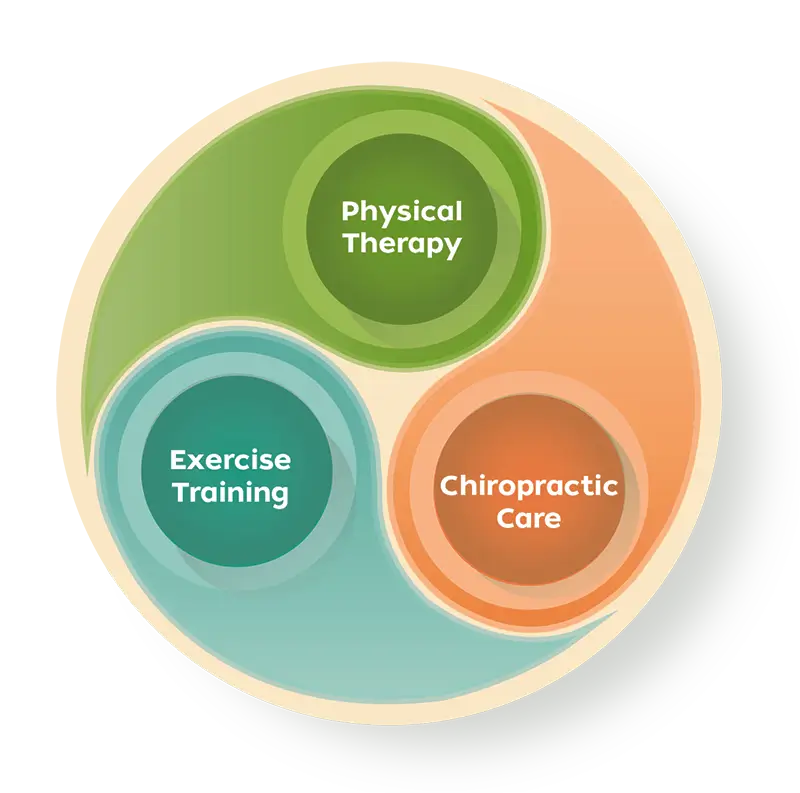
"A Combination of Physical Therapy, Chiropractic Care, and Exercise is Better for Pelvic Floor Rehabilitation Than Solo Therapy"
Physical Therapy
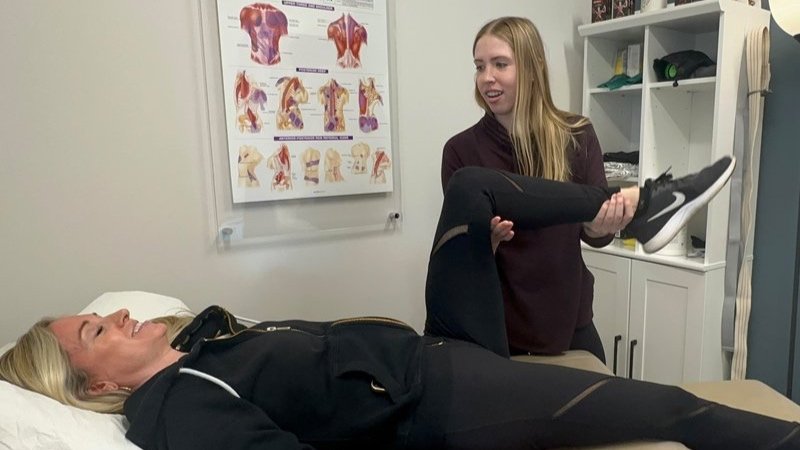
Pelvic Floor Physical Therapy is a specialized form of physical therapy that focuses on assessing and treating pelvic floor dysfunction. It involves exercises, manual therapy techniques, and biofeedback to improve pelvic floor muscle function and address related issues.
Chiropractic Care
Chiropractors often focus on the spine and musculoskeletal system. While they may not directly target the pelvic floor, they can address related musculoskeletal imbalances that might contribute to pelvic floor dysfunction. Chiropractic care may be used to target bony alignment issues. Restoring the innate balance of both the spine and the pelvis improves pelvic floor dysfunction.
Exercise Training
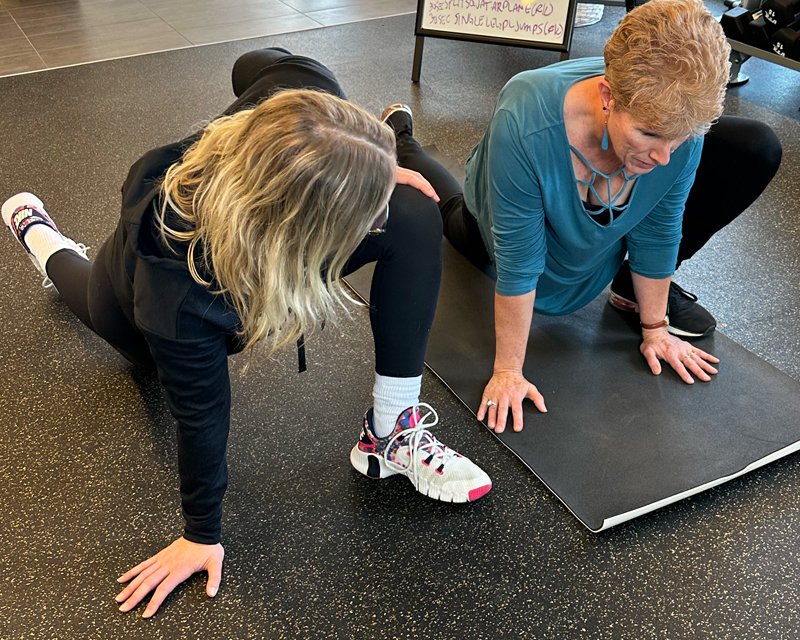
Guided by our fitness experts trained in pelvic floor conditions, exercise is a very safe and vital aspect of our care. Exercise can manage and improve pelvic floor dysfunction, reduce symptoms, and improve overall pelvic health. We use all forms of exercise specific to the patient and overall fitness level including yoga and pilates, tailoring each exercise for the desired outcome.
Studies on Physical Therapy, Chiropractic Care, and Exercise for Pelvic Floor Conditions
Myofascial pain syndrome: a multidisciplinary approach.Nurse Practitioner. 1995 April; 20(4): 18
New Insights about Chronic Pelvic Pain Syndrome (CPPS). Int J Environ Res Public Health. 2020 May; 17(9): 3005. Keren Grinberg et al
Pelvic Physical Therapy and Rehabilitation. Chronic Pelvic Pain and Pelvic Dysfunctions, Assessment and Multidisciplinary Approach (pp.247-258)
Interventions for treating chronic pelvic pain in women. Cochrane database of systematic reviews, eb 2000. 2(4):CD000387
A Multidisciplinary Approach to the Treatment of Pelvic Floor Myofascial Pain Syndrome. Journal of Chiropractic Medicine. 2016. 15 (3): 150-165. Smith J. et al
Sluijs, Kok, and van der Zee titled “Correlates of exercise compliance in physical therapy” aimed to identify the factors associated with exercise compliance among patients receiving physical therapy. The study investigated various patient characteristics and factors related to treatment and therapist-patient interaction.
What are the advantages of combining these three disciplines in pelvic floor rehab?
Comprehensive Assessment
Physical therapists and chiropractors can each provide unique assessments to evaluate the musculoskeletal and biomechanical aspects of the pelvic floor. Physical therapists specialize in assessing pelvic floor muscle function, coordination, and strength, while chiropractors focus on the alignment, mobility, and overall function of the spine and pelvis. Combining these assessments can provide a more comprehensive understanding of the underlying factors contributing to pelvic floor dysfunction.
Manual Therapy
Both physical therapists and chiropractors are trained in various manual therapy techniques. Physical therapists may use techniques such as myofascial release, soft tissue mobilization, or trigger point therapy to address muscle tension and improve pelvic floor function. Chiropractors may use spinal adjustments, joint mobilization, or other techniques to optimize pelvic and spinal alignment, which can positively impact pelvic floor mechanics.
Exercise and Rehabilitation
Physical therapists are skilled in designing exercise programs to target specific pelvic floor muscles, as well as surrounding muscles that support the pelvis. They can provide exercises to strengthen weak muscles, relax overactive muscles, and improve coordination and control. Chiropractors can provide exercise recommendations that focus on improving overall spinal stability and posture, which can indirectly support the pelvic floor. Physical therapy (PT) combined with exercise can have a significant impact on pelvic pain. The combination of targeted physical therapy interventions and exercise can help improve pelvic muscle function, reduce pain, and enhance overall quality of life.
The Impact of Pelvic Pain Using a Combination of PT and Exercise
Coordination of Care: Collaboration between physical therapists and chiropractors allows for coordinated care, where treatment plans can be designed to complement and reinforce each other. By combining their expertise, they can create a more comprehensive and individualized approach to address pelvic floor dysfunction.
Collaboration between a physical therapist and a chiropractor involves effective communication and a shared understanding of the individual’s condition and treatment goals. This multidisciplinary approach can provide a more holistic and integrated care plan.
The Science is Clear: Our Collaborative Care Model is best.
Additional studies:
7: “Effects of Pilates-based exercises on pelvic pain, anxiety, and quality of life in women with chronic pelvic pain”. Journal of Bodywork and Movement Therapies, 2017
8: “Effects of yoga exercise on women with chronic pelvic pain” Journal of Physical Therapy Science, 2018. Ju-Hyun Kim, Hye-Jin Lee, Dong-Hee Kim
9: “Yoga Intervention for Adults with Endometriosis-Associated Pelvic Pain: A Randomized Controlled Pilot Study” Journal of Alternative and Complementary Medicine, 2014, Leslee L. Subak, Jennifer M. Wing, Ayelet Ziv-Gal, Alison R. Longstreth, et al.
10: “Nonpharmacologic management of chronic pelvic pain: What should we be recommending?” Journal of Obstetrics and Gynecology Canada, 2017 Catherine Allaire, Sony Sierra, Greta B. Bauer, et al.
11: “Yoga Intervention for Adults with Endometriosis-Associated Pelvic Pain: A Randomized Controlled Pilot Study” Journal of Alternative and Complementary Medicine, 2014, Leslee L. Subak, Jennifer M. Wing, Ayelet Ziv-Gal, Alison R. Longstreth, et al.
12: “Effects of Pilates-based exercises on pelvic pain, anxiety, and quality of life in women with chronic pelvic pain” Journal of Bodywork and Movement Therapies, 2016. Jeong-Hoon Song, Seung-Hyun Hyun, Jong-Hyuk Kim
13: “Effect of pilates exercises on pain, functional status, and quality of life in women with chronic pelvic pain: A randomized controlled trial” Journal of Physical Therapy Science, 2019, Gunay Armutlu, Sevda Armutlu, Aytul Cakci, Ayse A. Korkmaz, et al.
14: “Pilates exercise versus pelvic floor muscle training in women with postpartum pelvic pain: A randomized controlled trial”. Archives of Gynecology and Obstetrics, 2020, Authors: Eman A. Ali, Mohamed M. A. Ibrahim, Hassan M. Hamed
15: “Effects of yoga exercise on women with chronic pelvic pain” Journal of Physical Therapy Science, 2018. Ju-Hyun Kim, Hye-Jin Lee, Dong-Hee Kim
16: “Yoga Intervention for Adults with Endometriosis-Associated Pelvic Pain: A Randomized Controlled Pilot Study”. Journal of Alternative and Complementary Medicine, 2014, Leslee L. Subak, Jennifer M. Wing, Ayelet Ziv-Gal, Alison R. Longstreth, et al.
Chiropractic Care for Pelvic Pain
Cecchi F, Molino-Lova R, Chiti M, et al. “Spinal manipulation compared with back school and with individually delivered physiotherapy for the treatment of chronic low back pain: a randomized trial with one-year follow-up.” Clin Rehabil. 2010;24(1):26-36. (This study focuses on low back pain and includes an assessment of pelvic pain as a secondary outcome. It found that spinal manipulation, a common chiropractic treatment, was associated with improvements in both low back pain and pelvic pain.)
Peterson CK, Mühlemann D, Humphreys BK. “Outcomes of pregnant patients with low back pain undergoing chiropractic treatment: a prospective cohort study with short-term, medium-term term and 1-year follow-up.” Chiropr Man Therap. 2014;22(1):15.
Bergström C, Persson M, Mogren I. “Pain and emotional well-being following childbirth: A longitudinal cohort study.” J Psychosom Obstet Gynaecol. 2016;37(2):42-51.
Understanding Pelvic Floor Disorders
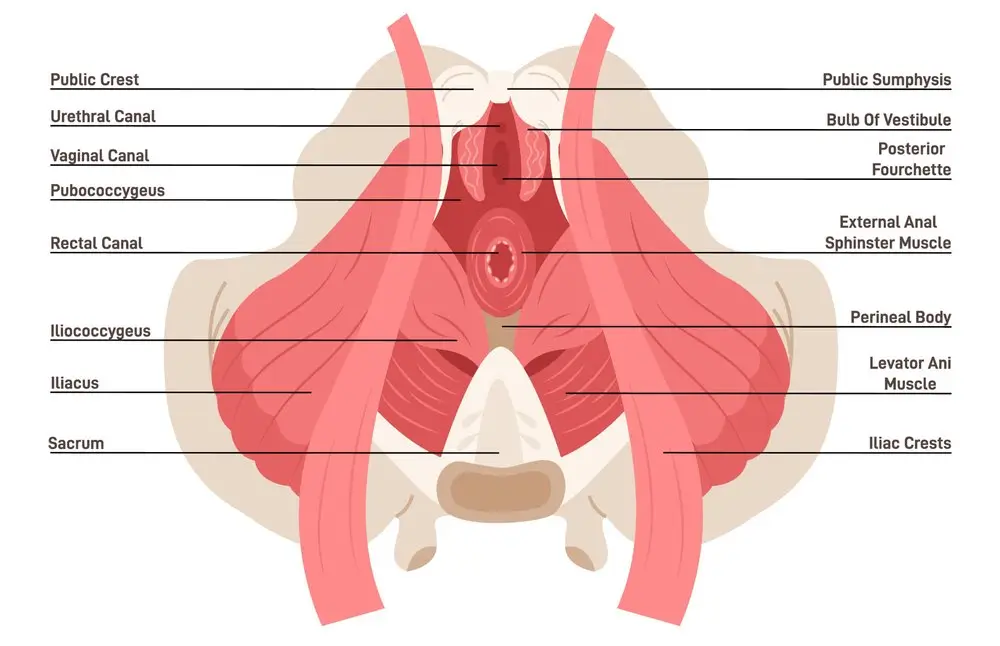
Pelvic floor disorders occur when the muscles, ligaments, and nerves supporting the bladder, uterus, vagina, and rectum become weakened or damaged. This can result from childbirth, chronic conditions, repeated heavy lifting, or surgery, leading to discomfort and loss of function.
At WomanWoRX, we combine expertise from the Urogynecology Center of Minnesota with specialized Pelvic Floor Physical Therapy to provide effective, non-surgical treatment. If pelvic floor issues are affecting your daily life, we’re here to help you regain strength, comfort, and confidence.